


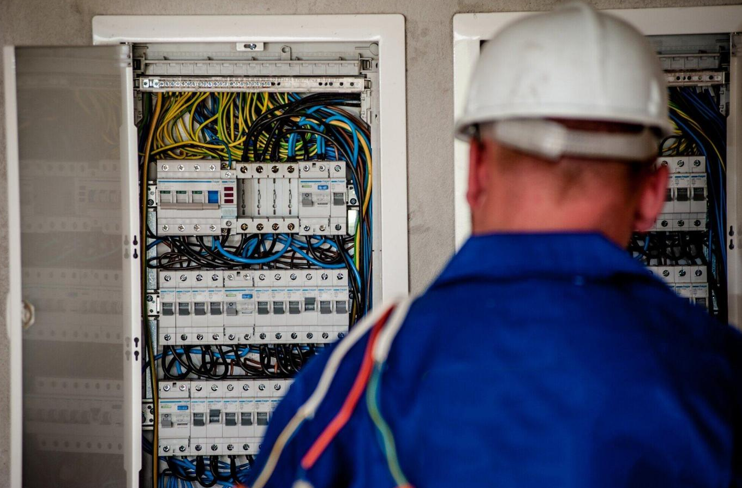
Industrial sites demand systems that can handle pressure, heat, and constant use. Downtime often starts with weak parts that fail early. That is why planning matters before installation begins.
Electrical components for tough industrial conditions help reduce risk and keep operations steady. These components are built to perform in harsh settings every day. Choosing the right materials supports safety and long service life.
Explore the sections below to see how durable solutions support demanding industrial environments.
Built for Harsh Operating Environments
Industrial locations often face heat, dust, and vibration. Electrical components must remain stable in these settings. Strong casings help protect inner parts from damage. Materials are selected to resist cracking and warping.
Components are tested for long exposure to stress. This testing helps ensure steady performance over time. Reliable parts lower the chance of sudden failure. They also reduce maintenance schedules. Workers gain confidence in daily operations. Systems stay active with fewer interruptions. This reliability supports consistent output.
Resistance to Heat and Temperature Changes
Factories often experience extreme temperature swings. Electrical components must manage this without loss of function. Heat resistant insulation plays a key role. It prevents melting and signal loss. Cold environments also create stress on materials.
Durable components expand and contract safely. This balance prevents internal damage. Stable performance supports sensitive equipment. Temperature control improves system lifespan. Fewer failures mean fewer shutdowns. This stability supports long term planning.
Protection Against Moisture and Corrosion
Moisture is common in many industrial sites. Humidity and spills can damage electrical systems. Durable components use sealed designs to block moisture. Corrosion resistant materials protect metal parts. This prevents rust from spreading inside systems.
Proper sealing also protects electrical flow. Consistent current reduces system strain. Maintenance teams face fewer repairs. Equipment lasts longer under wet conditions. Safety risks also decrease. Operations remain stable in challenging spaces.
Strength Under Constant Mechanical Stress
Machines create vibration and movement all day. Electrical components must handle this stress. Reinforced designs help absorb movement. Secure fittings prevent loosening over time. Strong connectors reduce wear at contact points. This protects signal quality and power flow.
Stable connections improve system reliability. Reduced movement lowers failure rates. Equipment stays aligned during operation. Maintenance becomes easier to plan. Productivity remains steady across shifts.
Safe Performance in High Load Applications
Industrial systems often carry heavy electrical loads. Components must support this demand without overheating. Thick conductors help manage high current levels. Insulation prevents short circuits. Proper spacing reduces electrical interference. This design supports steady energy transfer.
Systems perform smoothly under pressure. Load handling reduces unexpected shutdowns. Operators trust equipment during peak use. Safety standards are easier to maintain. Long term reliability improves planning.
Longevity Through Quality Materials
Material choice defines component lifespan. High grade metals improve conductivity. Durable plastics resist cracking and wear. These materials handle stress better over time. Aging effects are reduced with proper selection.
Components maintain shape and function longer. This reduces replacement frequency. Cost control improves with fewer failures. Systems run with consistent output. Planning becomes more predictable. Long service life supports operational goals.
Consistent Power Delivery in Demanding Settings
Industrial work depends on steady power flow. Fluctuations can damage equipment. Durable components help maintain stable delivery. Strong insulation protects against loss. Secure connections support even current flow. This improves machine performance.
Equipment responds accurately to commands. Reduced fluctuation protects sensitive parts. Maintenance teams see fewer alerts. Systems remain dependable throughout shifts. Productivity stays on track.
Simplified Maintenance and Inspection
Easy electrical inspection saves time in industrial sites. Durable components are designed for clear access. Labels remain readable over time. Strong housings reduce hidden damage. Technicians can spot issues quickly. This speeds up repair decisions.
Fewer parts need frequent checks. Maintenance schedules become simpler. Downtime is reduced across systems. Planning becomes more efficient. Teams focus on preventive care.
Compatibility With Complex Industrial Systems
Modern facilities use integrated systems. Electrical components must fit seamlessly. Standard sizing supports easy installation. Clear specifications guide proper use. Components align with control systems. This reduces setup errors.
Integration improves system response. Communication between parts stays stable. Upgrades become easier to manage. Compatibility supports future expansion. Systems evolve without major redesign.
Support for Safety Compliance Requirements
Industrial safety rules are strict. Electrical components must meet these standards. Durable designs reduce exposed risks. Insulation protects workers from contact. Stable performance lowers fire risk.
Clear markings support safe handling. Compliance helps avoid penalties. Inspections become less stressful. Safety training aligns with equipment use. Workers feel more secure on site. Operations meet required guidelines.
Reliable Cable Performance in Heavy Duty Use
Cabling is critical in industrial systems. Strong construction supports long runs. Protection layers shield inner conductors. This reduces wear from friction. Flexible designs help during installation. Proper routing prevents stress damage.
Some systems rely on well designed power cables for steady delivery. Reliable cables support overall system health. Failures become less common. Maintenance needs drop over time. Operations continue without disruption.
Adaptability Across Different Industrial Sectors
Industries vary in environment and demand. Durable components adapt to these changes. Manufacturing sites need vibration resistance. Processing plants need moisture protection.
Energy sites need load stability. One design approach supports many uses. Flexibility reduces inventory complexity. Components serve multiple applications. Training becomes more consistent. Operations scale with fewer changes. Planning remains efficient across sectors.
Long Term Cost Control and Efficiency
Durable components reduce long term expenses. Fewer replacements lower material costs. Reduced downtime saves labor hours. Stable systems protect other equipment. Efficiency improves with reliable performance.
Energy loss is minimized over time. Budget planning becomes more accurate. Investment returns increase with durability. Operations gain predictability. Teams work with fewer disruptions. Overall efficiency supports growth.
Reduced Downtime Through Reliable Design
Unexpected downtime slows production and increases costs. Durable electrical components are designed to prevent sudden failure. Strong construction supports continuous operation. Stable parts reduce the need for emergency repairs. Systems stay active during long work cycles.
Consistent performance protects connected equipment. Fewer breakdowns improve workflow planning. Maintenance teams respond less often to urgent issues. Production schedules stay on track. Output remains steady across shifts. Reliable design supports long term operational confidence.
Learn More About Durable Electrical Components
Durable electrical components support demanding industrial environments every day. They handle stress, heat, moisture, and heavy loads with consistency. Strong design choices improve safety and system stability.
Long service life reduces maintenance pressure and cost. Reliable performance keeps operations moving forward. Planning with durability in mind supports long term industrial success.
For more topics, visit our blog. We do have more!